
Energy & Eco-Friendly Living
Is changing energy supplier enough?
A better tariff is a good start. A more efficient home helps every unit go further.
Published
1. A better tariff is only the beginning
When the energy bill arrives, changing supplier can feel like the obvious first move. A more competitive tariff may lower the price of the gas and electricity your family uses, while a renewable-backed electricity tariff can support a greener energy system. Both are worth considering. But a switch changes what you pay for each unit, not how many units your home consumes.
Think of your bill as two parts: the energy you use, charged at a unit rate, and the daily standing charge. A cheaper deal helps, but an inefficient fridge, frequent tumble drying or a draughty room will still demand energy. For lasting savings, pair a suitable tariff with better habits, insulation and efficient appliances when they need replacing.
Here is a snapshot of three prominent suppliers, including renewable-backed Octopus Energy. It compares published examples with the Ofgem price-cap benchmark, rather than pretending there is one universal “traditional” tariff. British Gas provides a familiar established-supplier comparison; the right deal for you may be different.
Illustrative comparison
Tariff snapshot: difference from the cap benchmark
Illustrative annual difference for a typical dual-fuel home in Great Britain, paid by Direct Debit. Longer bars mean a larger estimated saving against the benchmark.
Published estimate £1,669/year · fixed for 23 months
Published estimate £1,670/year · fixed for 24 months
Variable tariff · approximately £1,713/year at the time
Snapshot published 2–5 October 2026. Compared with the £1,723 Ofgem October–December 2026 cap benchmark, projected for a year at typical use (2,500 kWh electricity and 9,500 kWh gas). The cap limits rates, not bills; future variable rates may change. Examples may no longer be available. Fixed-tariff exit fees apply; estimates are not guaranteed savings.
Source: Local Energy Prices, 5 October 2026, citing MoneyWeek and supplier comparisons.
Real quotes depend on your postcode, meter, payment method, consumption, standing charges and the date. Compare the whole annual cost and any exit fees, not just the monthly direct debit. With green tariffs, ask whether the supplier buys renewable power directly or relies on certificates: electricity still reaches you through the shared grid. A greener contract and a more efficient home work best together.
2. Choose appliances that use less
Start with appliances that heat, cool or run often. Washing machines, dishwashers and tumble dryers need energy to heat water or air; fridges and freezers run around the clock. The Energy Saving Trust estimates the following shares of a typical household’s energy bill. They are not savings promises, but a useful guide to where attention can matter.
Illustrative comparison
Where appliance energy costs add up
Approximate share of a typical household’s total energy bill, not a measure of potential savings.
Includes hobs, ovens, kettles and microwaves.
Figures are approximate and household use varies; the groups are not a complete breakdown of the bill.
Source: Energy Saving Trust, appliance energy use, updated 23 October 2026.
Before buying, compare energy labels and the stated kWh for models of a suitable size. Wash full loads at lower temperatures, use the dishwasher’s eco setting and line-dry where practical. A heat-pump dryer can use less electricity than a conventional electric dryer. Repairing a working appliance can also avoid the cost and environmental impact of an unnecessary replacement.
For family cooking, the Hotpoint HTE5VCB and Indesit ITE5VMW are examples of 50 cm ceramic-hob cookers. Choose the right pan size, use lids and make full use of oven space. Neither model automatically guarantees savings over your existing cooker: compare the oven energy label and how you cook.
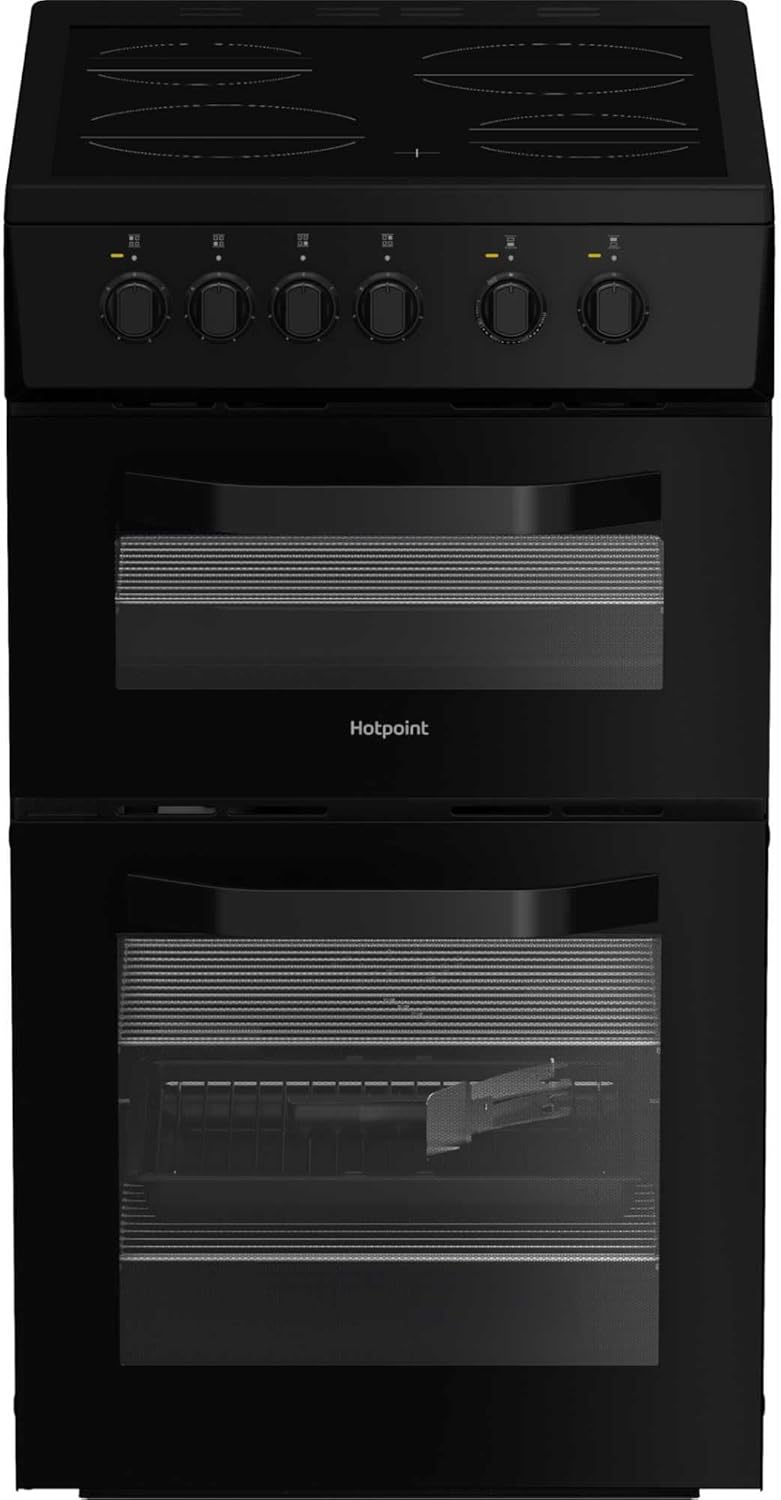
Hotpoint HTE5VCB Twin Cavity Electric Cooker
A 50 cm cooker with a ceramic hob and separate grill.
View on Amazon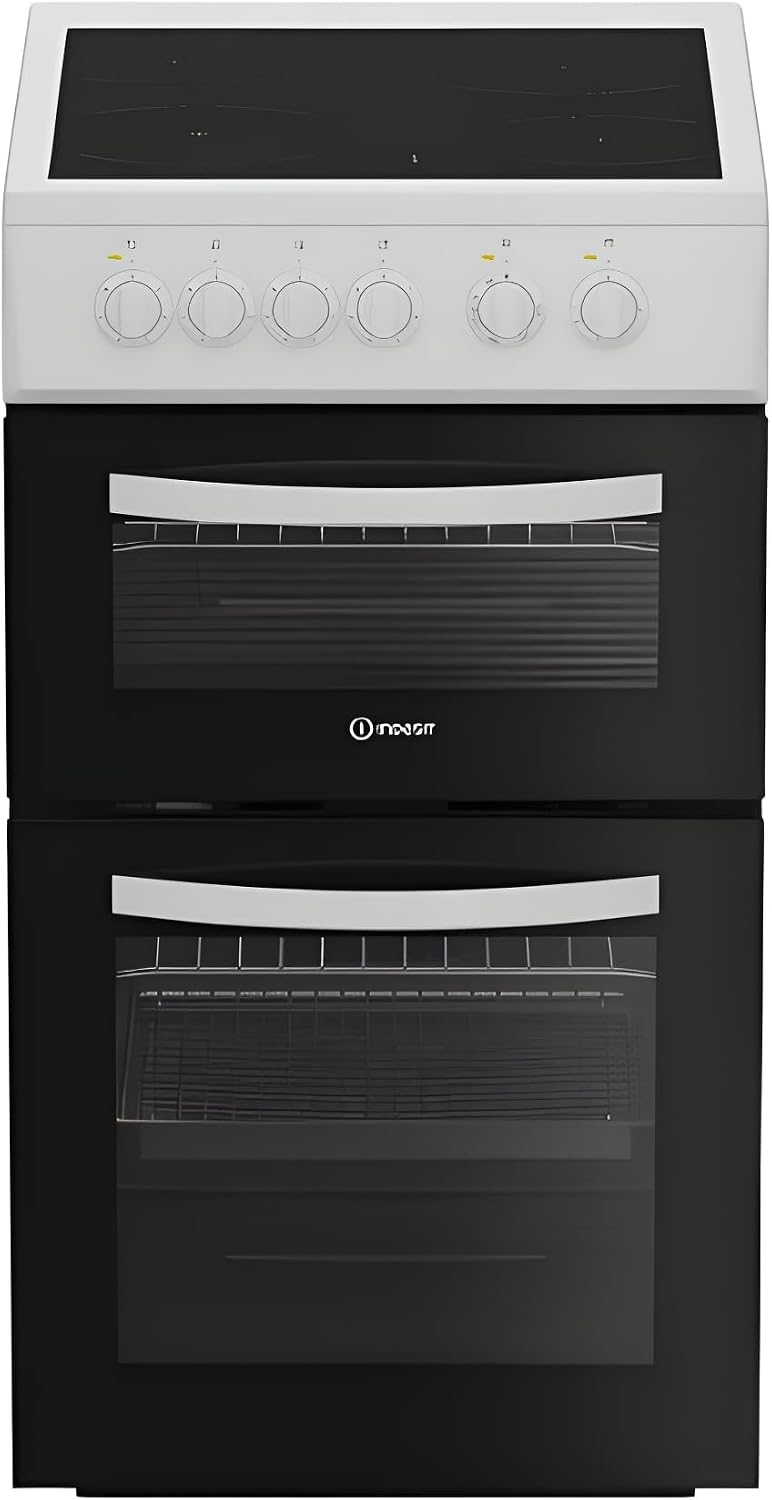
Indesit ITE5VMW 50cm Electric Ceramic Cooker
A 50 cm ceramic cooker; professional hard-wired installation is required.
View on AmazonInstallation matters: The Indesit requires hard-wiring; no plug is included. Although some listings suggest the Hotpoint has a standard plug, Currys specifies a dedicated 32-amp hard-wired circuit for the HTE5VCB. Confirm the exact model and installation requirements with the seller and a qualified electrician before purchase; do not assume it can use a standard socket.
Product links are affiliate links; EcoHive may earn a commission at no extra cost to you.
3. Smaller cooking, smarter choices
An air fryer heats a compact space and can be a practical choice for small portions. The Energy Saving Trust gives an example of cooking 600 g of chicken for 14p in an air fryer versus 20p in an electric oven in Great Britain. That is a comparison with an oven, not a hob; a hob can be economical for quick meals too.
The small graph below shows how an air fryer could compare with an electric hob under one set of assumptions. It is arithmetic, not a test of either product or a promise that an air fryer always wins. Real appliances cycle on and off, and a different recipe, pan, hob or cooking time could reverse the result.
Illustrative comparison
One hypothetical meal: air fryer vs electric hob
Illustrative electricity cost per meal at 26.32p/kWh, using assumed continuous power and cooking times.
1.5 × 20/60 = 0.50 kWh
2 × 25/60 = approximately 0.83 kWh
Illustrative difference: about 8.7p per meal, before appliance purchase costs. Assumes both draw full power continuously and cook the same suitable meal; timings and power are not measured product data. Gas hobs use a different tariff. Actual results vary.
Source: Ofgem, October–December 2026 average electricity unit rate.
The Ninja Speedi 12-in-1 combines several cooking functions, while the Cuisinart Tri Zone offers two baskets and an oven space. Pick a capacity you will actually use, and avoid running extra zones unnecessarily. For a large family batch, a full oven or a covered pan may be the more sensible choice.
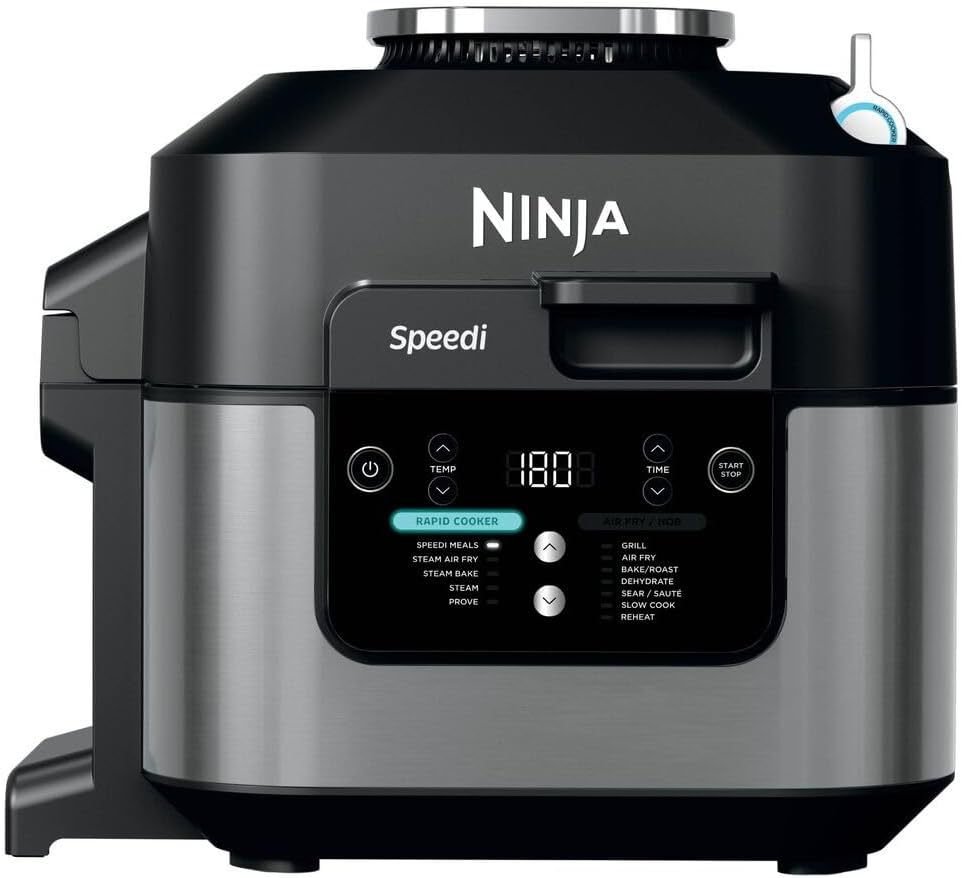
Ninja Speedi 12-in-1 Multi-Cooker
A multi-cooker with air-frying and other cooking functions.
View on Amazon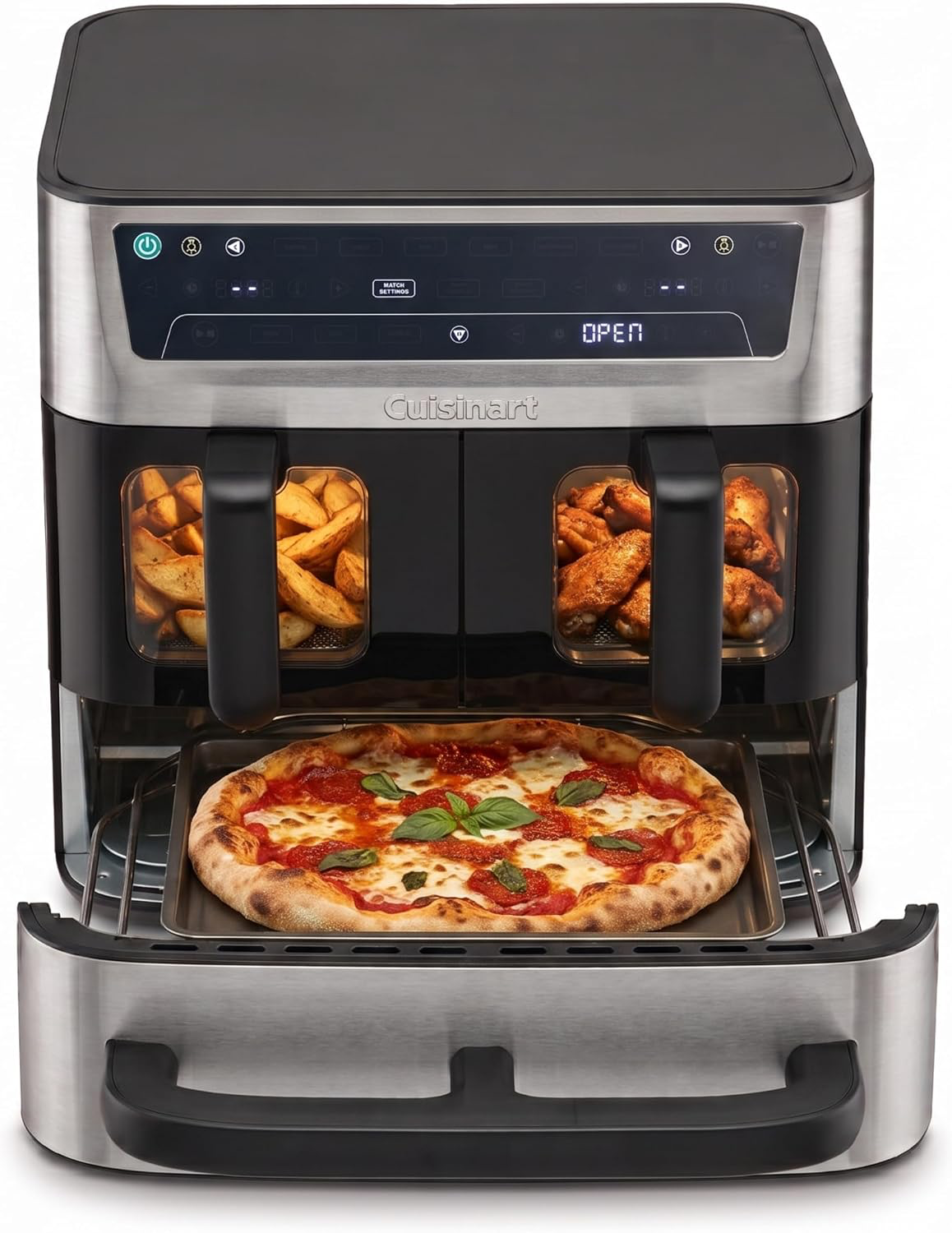
Cuisinart 13.6L Tri Zone Air Fryer & Oven
A larger air fryer and oven with dual baskets.
View on AmazonFinally, consider the whole home. Durable, responsibly sourced furnishings and natural or recycled textiles can reduce the materials and energy needed for frequent replacements. Thick curtains and draught-conscious furnishings may improve comfort and help retain warmth when used appropriately, but they are no substitute for proper insulation. Their effect on bills depends on the home and heating habits—not the fabric label alone.
A well-chosen tariff, thoughtful appliance use and fewer, longer-lasting purchases are complementary steps towards lower bills and a lighter footprint. Start with what your household uses most, then make the next change when it makes sense.
Product links are affiliate links; EcoHive may earn a commission at no extra cost to you.
A more thoughtful home starts here
Explore useful ideas for a comfortable, more eco-friendly home.
Shop Eco-Friendly